
Meal Protein Calculator
Meal Protein Calculator
Add each food in your meal with its weight in grams. Values are typical averages per 100 grams.
You sit down to lunch with grilled chicken, a scoop of rice, and a spoonful of black beans. It looks like a solid, healthy plate. Then someone asks how much protein is actually on it, and you realize you have no real answer. Thirty grams? Fifty? Most people guess, and that guess is usually wrong. A meal protein calculator removes the guesswork. Instead of trying to judge your whole day at once, you look at one meal at a time, add up the protein in each food, and get a clear number you can trust.
This page teaches you that math: adding up protein from individual foods, estimating portions without a scale, and spreading your daily target across meals that fit real life. It also matters because small errors compound. Miss your estimate by 15 grams at lunch and dinner, and the whole day is off by 30. That is the difference between holding muscle and slowly losing it.
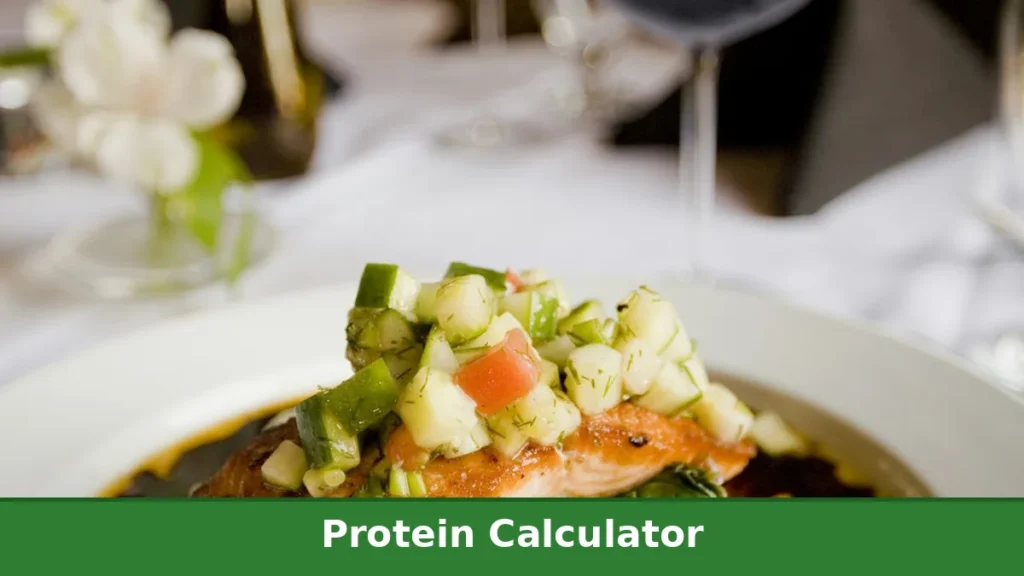
How To Calculate Protein In A Meal
Calculating the protein in a meal comes down to simple addition. List every food on your plate, find the protein content of each one for the portion you ate, and add the numbers together. A chicken breast might give you 35 grams, a cup of cooked rice adds about 5, and the beans add another 7. That meal lands near 47 grams. The method is the same whether you do it by hand or let a meal protein calculator do it for you. The only real skill is being honest about portion sizes, since that is where most estimates go wrong.
Adding Individual Food Protein Amounts
- Write down every item on the plate, including sides, sauces, and toppings. Small items still count.
- Look up the protein in each food for your portion size. The USDA FoodData Central database is a reliable free source.
- Adjust for the amount you actually ate. If a label lists protein per 100 grams and you ate 150, multiply by 1.5.
- Add all the numbers together. That total is the protein in your meal.
- Save meals you eat often. Once you have done the math for your usual breakfast, you never have to redo it.
Estimating Protein Portions In Meals
You do not need a kitchen scale for every meal, though using one for a week teaches you what portions really look like. A palm-sized piece of cooked meat is roughly 100 to 120 grams, or about 25 to 30 grams of protein. A fistful of cooked beans is close to a cup, worth 12 to 15 grams. An egg gives you 6 grams, a cup of milk adds 8. When in doubt, estimate slightly low to keep totals honest.
Track Protein Across Different Meals
One meal only tells part of the story. Tracking protein across the full day shows whether your meals add up to your target or leave a gap. The table below walks through a realistic day for someone aiming near 120 grams.
| Meal | Example foods | Protein |
|---|---|---|
| Breakfast | 3 eggs, 2 slices toast, piece of fruit | 24 g |
| Lunch | Grilled chicken salad with 150 g chicken | 40 g |
| Snack | Greek yogurt, 170 g container | 17 g |
| Dinner | 150 g salmon, quinoa, vegetables | 38 g |
| Day total | 119 g |
Breakfast is usually the lightest meal, which is why adding eggs or yogurt in the morning is the fastest fix for a low daily total. Compare your target from our daily protein intake calculator against a day like this to see where you stand.
Comparing Protein Distribution Throughout The Day
How you split protein across meals matters less than hitting your daily total, but an even spread has real advantages. Research summarized by Examine suggests the body uses protein for muscle maintenance better when each meal delivers a solid dose instead of saving it all for dinner.
| Pattern | Breakfast | Lunch | Dinner | Snacks | Total |
|---|---|---|---|---|---|
| Even split | 30 g | 30 g | 30 g | 30 g | 120 g |
| Front-loaded | 40 g | 35 g | 30 g | 15 g | 120 g |
| Back-loaded (typical) | 10 g | 25 g | 55 g | 30 g | 120 g |
The back-loaded pattern is how most people eat by default. If your total keeps falling short, shifting protein toward breakfast and lunch is the easiest correction.
Planning Meals Around Protein Goals
Pick the protein first and build the meal around it. Choose your anchor, a chicken breast, tofu, eggs, or fish, then add carbs, vegetables, and fats to fill the plate. It works for any goal because the anchor changes while the method stays the same.
- Start with a protein anchor worth 25 to 40 grams. This is the center of the meal.
- Add a carb source for energy: rice, potatoes, bread, pasta, or oats.
- Add vegetables for volume and nutrients. They make the meal satisfying without many calories.
- Add a fat source for flavor: olive oil, nuts, cheese, or avocado.
- Check the total against your per-meal target and adjust the anchor portion up or down.
Creating Balanced High Protein Meals
A balanced high protein meal is not just a pile of meat. Carbs fuel training and the brain, and fats keep hormones working normally. Try one quarter plate protein, one quarter carbs, half vegetables, with a little fat for flavor. Bowls, stir fries, and wraps all fit, and variety keeps you from burning out on chicken and rice.
Adjusting Meal Protein For Different Goals
Your goal changes how you build each meal. For muscle gain, keep protein high and add extra carbs around the meal, since total calories need to rise. For fat loss, keep the protein anchor generous and trim carbs and fats instead, which protects muscle while calories drop. For simple maintenance, aim for the middle: solid protein at each meal without pushing portions up or down. The per-meal math stays the same in all three cases. Only the foods around the protein change.
Benefits Of Tracking Meal Protein Intake
Tracking protein meal by meal turns a vague daily goal into something you can see and fix. By lunch you know whether you are on pace, instead of wondering at bedtime. That feedback loop is the real benefit: faster adjustments, fewer repeated shortfalls, and a clear picture of which meals pull their weight.
Improving Daily Nutrition Awareness
Most people overestimate protein in light meals and underestimate it in heavy ones. A week of tracking corrects both. You notice patterns, like the virtuous salad with only 12 grams or the snack that quietly added 20. That awareness sticks, and your choices improve on autopilot.
Supporting Fitness And Health Goals
Whether your goal is muscle, fat loss, or healthy aging, tracking protein per meal makes sure the work gets done. Lifters confirm recovery fuel. Dieters protect muscle in a deficit. Older adults fight age related muscle loss. Different goals, same habit: check the meal, hit the number, move on.
Common Meal Protein Tracking Mistakes
These are the errors that quietly wreck otherwise good tracking. Avoid them and your numbers will actually mean something.
- Guessing portions instead of measuring for at least a week first. Eyeballing is a skill you earn, not one you start with.
- Forgetting the extras. Sauces, cheese, cooking oils, and that handful of nuts all carry protein that never gets logged.
- Counting raw weight as cooked weight. Meat loses water when cooked, so 150 grams raw is not 150 grams on the plate.
- Logging the plan instead of the plate. Track what you actually ate, not what you meant to eat.
- Obsessing over single grams. Being within 5 to 10 grams per meal is plenty accurate for real world results.
FAQ
How do I calculate protein in my meal?
Add up the protein in each ingredient: list everything on the plate, find each item’s protein for your portion size, and sum the numbers. Start with the biggest items first, since they contribute the most, then add the smaller sides and toppings. A meal protein calculator does the same math in seconds.
Can I calculate protein from multiple ingredients?
Yes. Break the dish into components, estimate each separately, and add them up. For a stir fry, give the chicken, rice, sauce, and oil each their own line. It takes an extra minute, but the result beats guessing the whole plate at once. With shared or restaurant dishes, round conservatively.
How much protein should each meal contain?
Aim for 25 to 40 grams per meal across three to four meals. Larger people and lifters sit higher. If you only eat twice a day, push each meal toward 50 or 60 grams instead. What matters most is that your meals add up to your daily target by bedtime.
Is meal protein tracking necessary for muscle gain?
It helps but is not mandatory. Growth depends mostly on daily protein and training. Per meal tracking is useful when your daily total keeps falling short, because it reveals the weak link. Fix that one meal and the daily total usually takes care of itself.
Can a meal protein calculator help with weight loss?
Yes. It keeps protein high enough to protect muscle while calories are low, and protein rich meals keep you fuller longer. Start each meal by choosing the protein, then build the rest of the plate around it. Planning protein first makes the rest of a weight loss diet easier to follow.
Final Thoughts
The math behind your meals is simpler than it looks. List the foods, add up the protein, and compare the total to your target. Do that for a week and you will know your diet better than most people ever will. The real payoff is not the numbers themselves. It is the confidence that comes from knowing exactly what you ate and why it is enough, instead of hoping the day worked out. That confidence changes how you eat out, how you shop, and how you answer the next person who asks what is on your plate.
Start with tomorrow’s breakfast, the meal most people get wrong. Once breakfast is fixed, the rest of the day usually follows. Our protein food calculator can help with the lookup step, and the tool at the top of this page does the adding for you. What does your typical breakfast deliver right now, and is it pulling its weight?