
Protein Calculator Tools
Protein Calculator
How we calculate: your weight in kilograms multiplied by a factor based on activity (1.0 to 1.8 g/kg), plus a small goal adjustment and a small increase for adults 65 and older. The target is the same for men and women at the same weight and activity level. This is an estimate, not medical advice.
Welcome to Protein Calculator, your home for free protein tools. Find your daily protein target in seconds, whether your goal is muscle gain, weight loss, athletic performance, or simply eating better. Use our protein intake calculator to set your number, then use the food and meal tools to hit it with real food. Every calculator below is free and needs no sign-up.
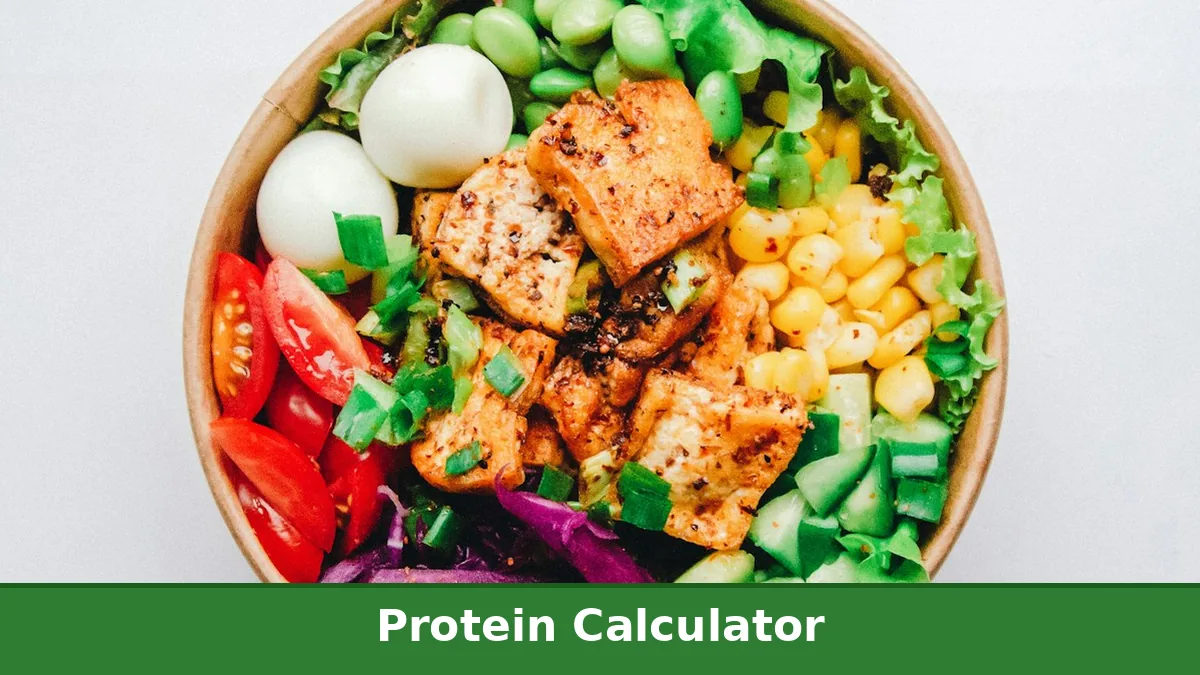
What Is Protein and Why It Matters
Protein is one of the three macronutrients your body needs every day. It builds and repairs muscle, supports your immune system, and keeps you full after meals. Without enough protein, recovery slows, hunger rises, and hard training delivers less return.
Most people think about protein only when they start lifting weights. The picture is wider than that. Protein matters for weight loss, because it protects muscle while you eat fewer calories. It matters for healthy aging, because muscle loss speeds up after 50. It matters for athletes, because training increases the daily demand.
The challenge is that the right amount is personal. It depends on your body weight, your activity level, your age, and your goal. A 60 kg office worker and a 90 kg athlete do not need the same grams per day. Generic advice like eat more protein does not tell you how much more.
That is where our calculators come in. They use established sports nutrition formulas to turn your weight and activity into a clear daily target. No guesswork, no sign up, no cost. Use the tool above to find your number, then explore the other calculators to plan meals and track your intake.
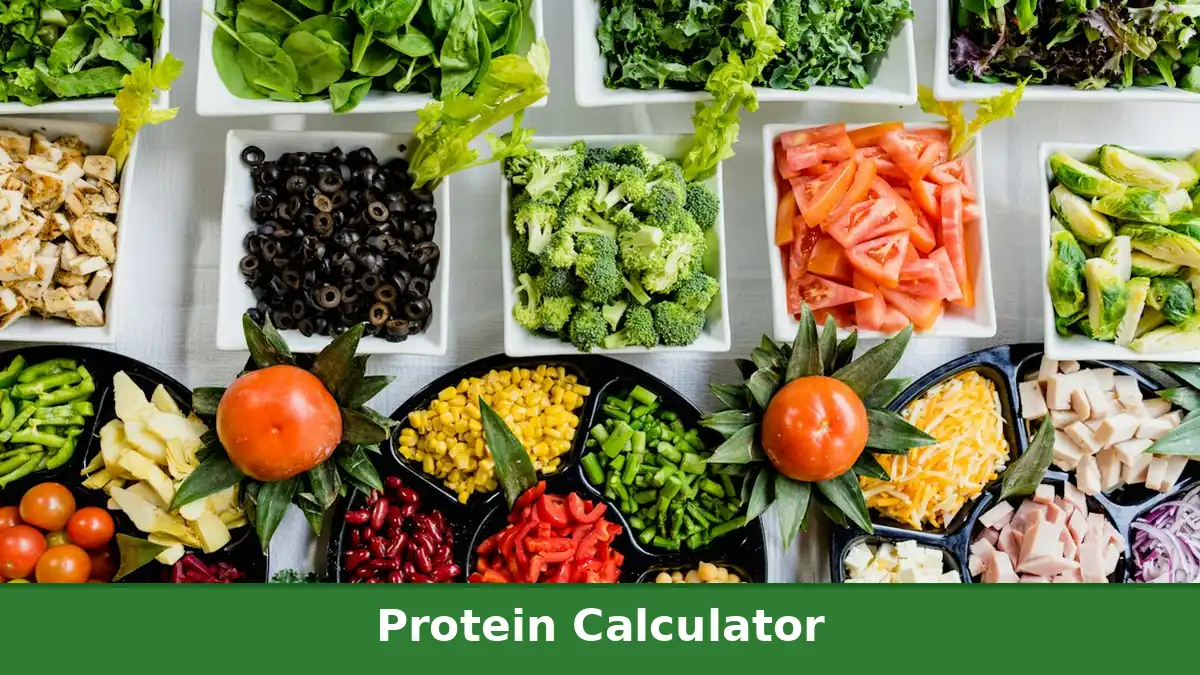
How Much Protein Do You Need Each Day?
The honest answer is that it depends on your body weight and how active you are. The recommended dietary allowance (RDA) is 0.8 grams per kilogram of body weight per day. That is the minimum to avoid deficiency, not the amount for best results. Most active adults do better with more.
| Age group | RDA in grams per day |
|---|---|
| Ages 1 to 3 | 13 |
| Ages 4 to 8 | 19 |
| Ages 9 to 13 | 34 |
| Ages 14 to 18 (female) | 46 |
| Ages 14 to 18 (male) | 52 |
| Ages 19 and over (female) | 46 |
| Ages 19 and over (male) | 56 |
| Pregnancy | 71 |
Active adults usually need 1.2 to 2.0 grams per kilogram. Strength athletes often use 1.6 to 2.2 grams per kilogram. People losing weight also need more, around 1.8 to 2.2 grams per kilogram, because protein protects muscle in a calorie deficit. Older adults need a little more than younger adults, around 1.0 to 1.2 grams per kilogram, to slow age-related muscle loss.
If you want your exact number, use the daily protein intake calculator above. Enter your weight and activity level and it gives you a personal target in seconds. You can also check the protein calculator by weight page to see the math behind your number.
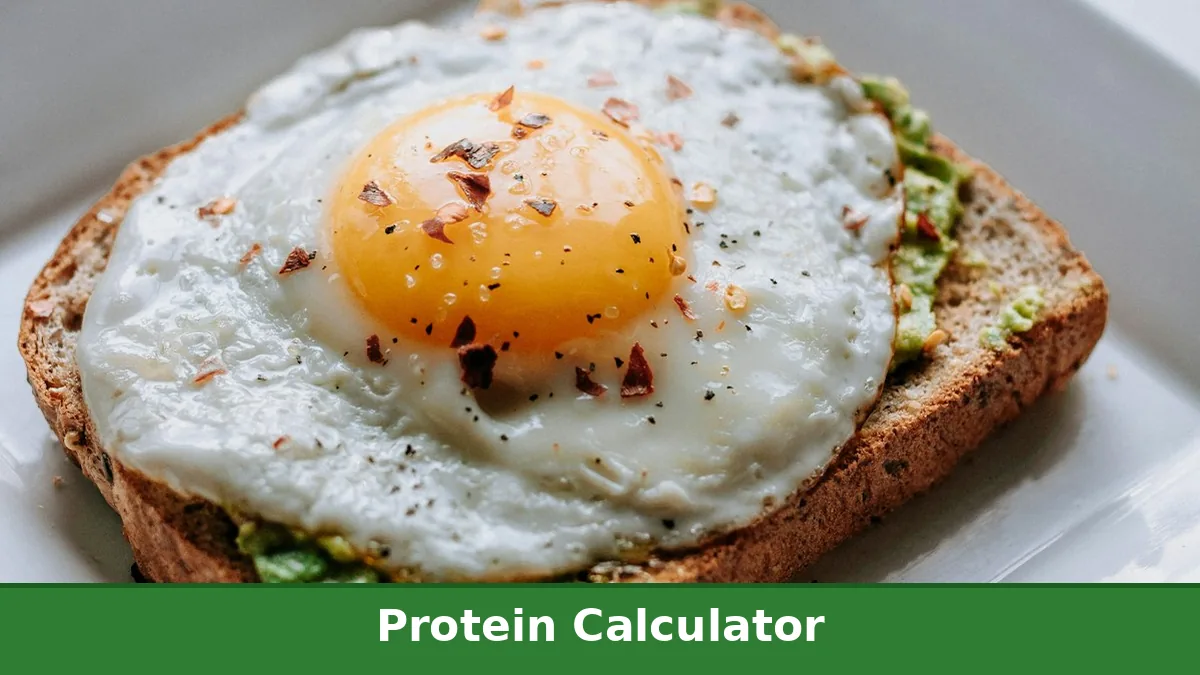
How to Hit Your Number
A daily target only helps if you can reach it. The easiest way is to split it across your meals. Most people do well with 20 to 40 grams of protein at each meal, plus a snack if needed. Four smaller servings often feel easier than two big ones. Here is what a day near 100 grams can look like.
| Meal | Example | Protein approx. |
|---|---|---|
| Breakfast | Greek yogurt with oats and berries | 25 g |
| Lunch | Grilled chicken salad with quinoa | 30 g |
| Snack | Cottage cheese with fruit | 15 g |
| Dinner | Salmon with vegetables and rice | 30 g |
Start with foods you already like. Add one protein source to each meal instead of rebuilding your whole diet. The meal protein calculator adds up a full plate for you, and the protein food calculator tells you the grams in any food and portion.
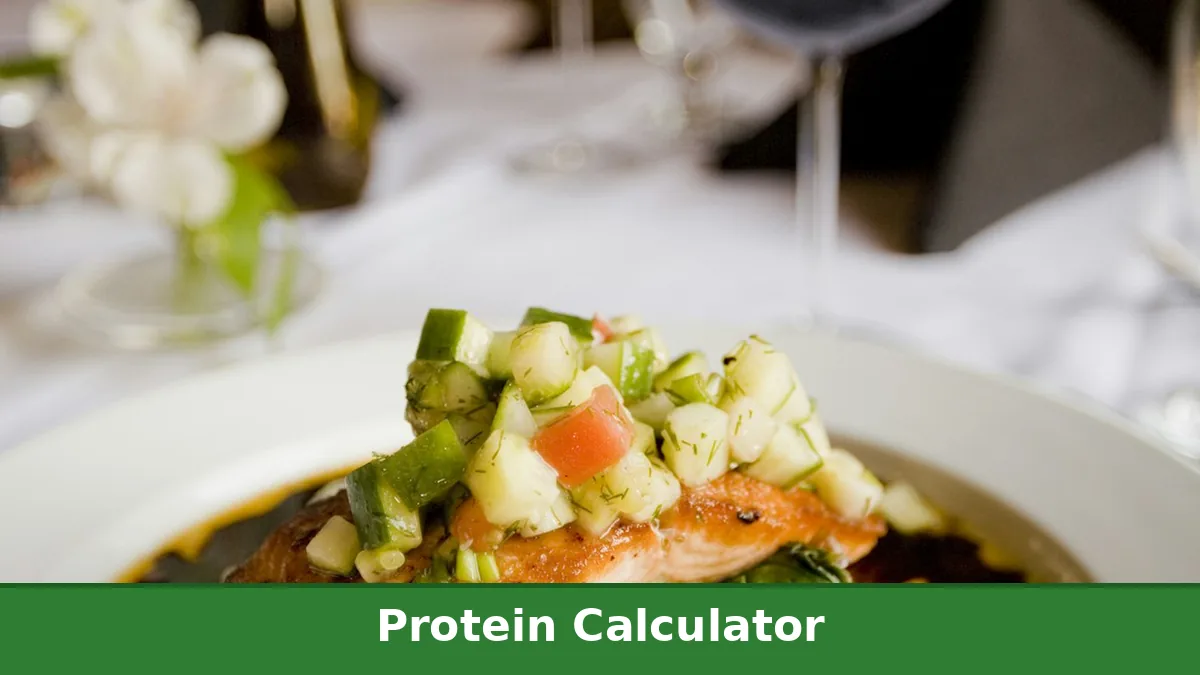
How to Use Our Protein Calculators
Getting your number takes less than a minute. Here is how it works.
- Pick the calculator that matches your goal. Building muscle, losing fat, fueling training, or eating better each has its own tool.
- Enter your details. Most calculators ask for your weight and activity level, and some ask about your goal or sport.
- Read your target. You will see a daily protein range in grams, plus simple tips for hitting it with real food.
Tip: start at the middle of your range and adjust after two weeks based on how you feel, perform, and recover. If you are losing weight too fast or feeling tired, your target or your calories may need a tweak.
Find Your Protein Goal
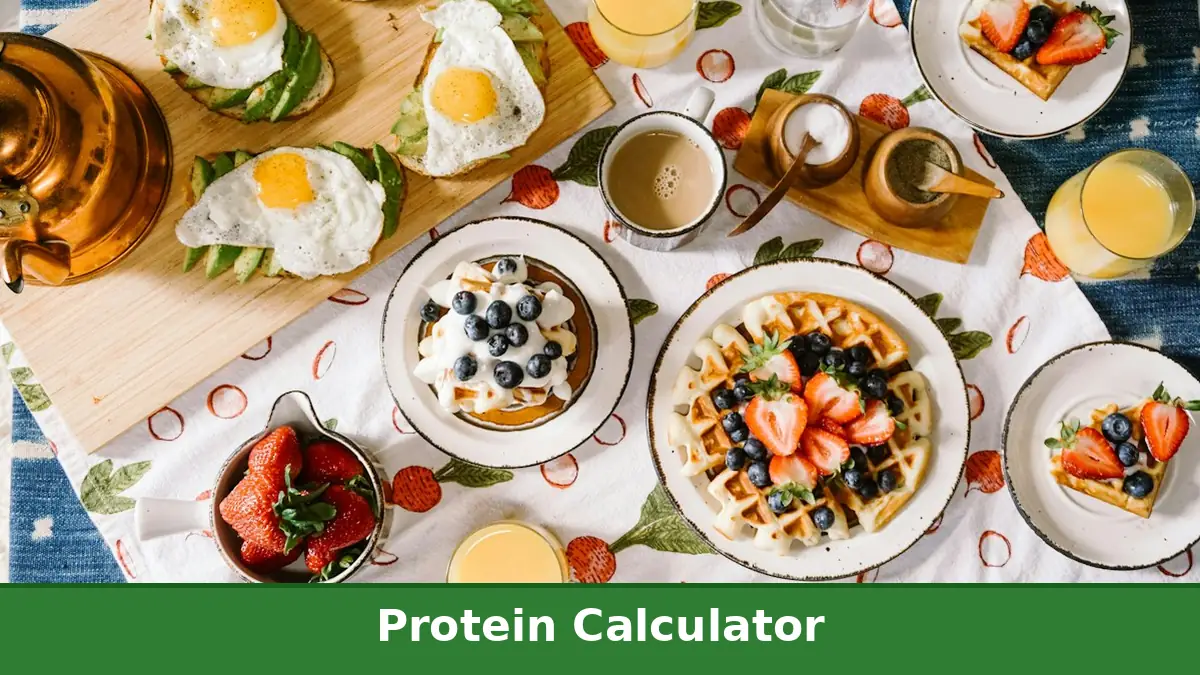
A protein goal calculator is only useful if the goal fits your life. Your target changes with your goal, so pick the calculator that matches what you are working on. If you want to build muscle, use the protein calculator for muscle gain. It sets a higher target based on your training. If you want to lose fat, use the protein calculator for weight loss. It raises protein while you eat less, so more of the weight you lose comes from fat. Athletes can use the athlete protein calculator, which adjusts for sport type and training hours. Your protein needs also change with age and life stage. Women can use the protein calculator for women, which covers pregnancy, breastfeeding, and age 50 and over. Teens have their own calculator too, with safe ranges for ages 13 to 19. All of these tools are free protein calculators. You can use them online with no sign-up and no download. Run your number, build your meals around it, and check back after a few weeks to see if it still fits.
Protein in Common Foods
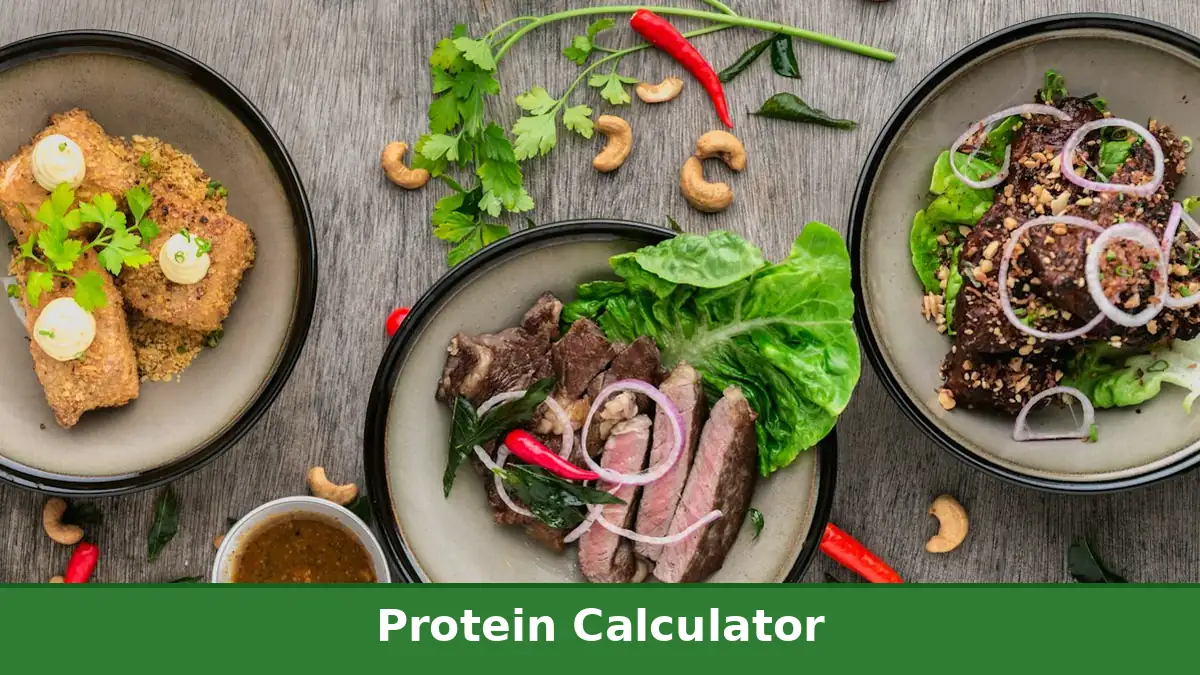
You do not need supplements to hit your target. Everyday foods carry most of the load. These values are typical averages per serving.
| Food | Serving | Protein approx. |
|---|---|---|
| Chicken breast, cooked | 100 g | 31 g |
| Canned tuna in water | 100 g | 26 g |
| Salmon, cooked | 100 g | 25 g |
| Eggs | 2 large | 12 g |
| Greek yogurt, plain | 170 g | 17 g |
| Lentils, cooked | 1 cup | 18 g |
| Cottage cheese, low fat | 100 g | 12 g |
| Whey protein powder | 1 scoop, 30 g | 24 g |
For the full list with any portion size, use the protein food calculator. It covers meats, fish, dairy, eggs, beans, and more.
Why Trust Our Protein Calculators
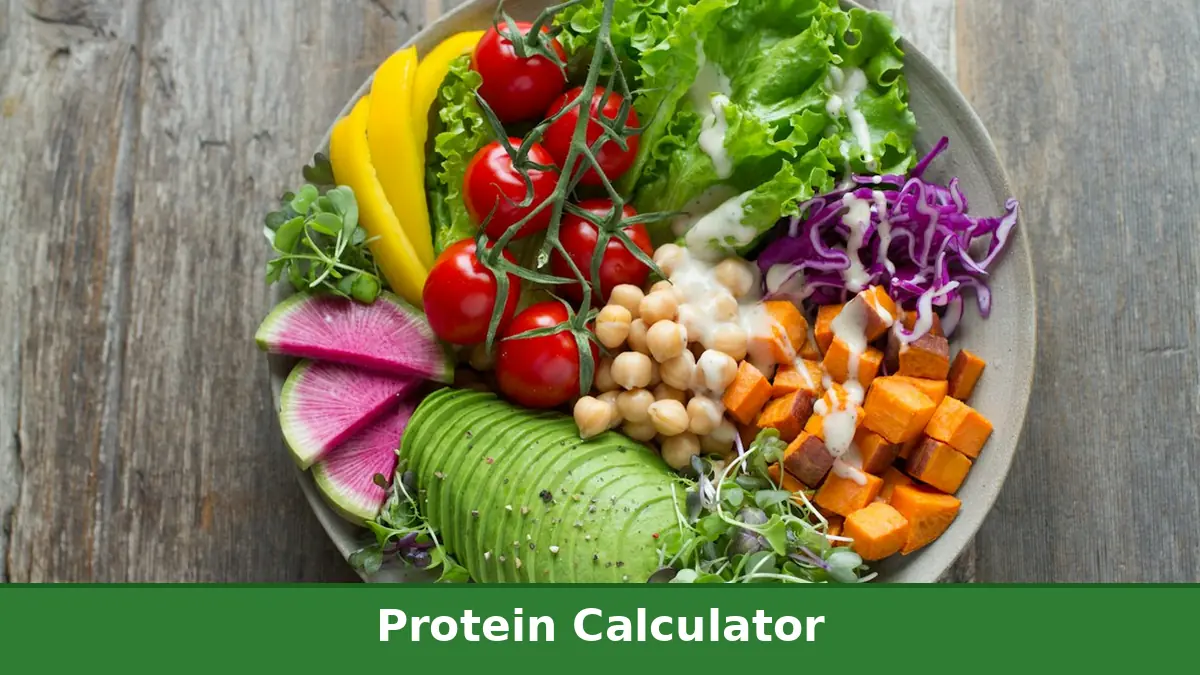
These calculators are built on formulas used in sports nutrition research, including widely cited protein intake ranges for active adults. We show the math on the formula page so you can check our work instead of taking a black box number on trust.
Every tool is free and works without a sign up. There are no hidden upsells and no supplement ads pushing you toward a product. The goal is a useful number and a practical plan, not a sale.
We keep the guidance practical and plain. When research moves on, we update the pages. Use the calculators as a starting point, and check with a doctor or dietitian if you have a medical condition that affects your diet.
Sources
Our formulas follow published sports nutrition guidance. The main sources are the International Society of Sports Nutrition position stand on protein and exercise (2017), the National Institutes of Health Office of Dietary Supplements protein fact sheet, and the USDA FoodData Central database for food protein values.
All Protein Calculators
Protein Calculator
Find your daily protein target by weight, activity, and goal.
Protein Calculator by Weight
Daily protein based on body weight in pounds or kilograms.
Daily Protein Intake Calculator
Your personal daily protein number explained.
Protein Calculator for Muscle Gain
Protein targets for building muscle.
Protein Calculator for Weight Loss
Keep muscle while losing fat.
Protein Food Calculator
Protein content of common foods.
Meal Protein Calculator
Total protein in any meal.
Protein Calculator for Women
Personalized targets for women.
Protein Macro Calculator
Split calories into protein, carbs, and fat.
Athlete Protein Calculator
Fuel training and recovery by sport.
Protein Formula Calculator
See the math step by step.
Protein Per Kg Calculator
Grams per kilogram made simple.
Teenager Protein Calculator
Healthy targets for ages 13 to 19.
Protein Tracker Calculator
Log protein through your day.
Frequently Asked Questions
How much protein do I need per day?
The minimum is 0.8 grams per kilogram of body weight per day. Most active adults need 1.2 to 2.0 grams per kilogram, and strength athletes often use 1.6 to 2.2. Your exact number depends on your weight, activity, and goal, so run the calculator above for a personal target.
How do I calculate my protein intake?
Multiply your weight in kilograms by a factor that fits your activity and goal. A sedentary adult uses 0.8 to 1.0, an active adult uses 1.2 to 1.6, and someone building muscle uses 1.6 to 2.2. The calculator on this page does the math for you, and the food calculator adds up the grams in your meals.
Is 100 grams of protein a day too much?
For most active adults, no. A 70 kilogram person eating 100 grams is at about 1.4 grams per kilogram, which sits inside the normal active range. Spread it across three or four meals. If you have kidney disease or another health condition, ask your doctor before raising your intake.
Do women need less protein than men?
The base rate is the same, 0.8 grams per kilogram. Total grams differ because body weight differs, not because the formula changes. Women who are pregnant or breastfeeding need more, and women over 50 also benefit from a slightly higher target. Our protein calculator for women covers these cases.
Can I use a protein calculator if I take a GLP-1 medicine?
Yes, and protein matters even more on a GLP-1 medicine, because rapid weight loss can take muscle with it. A starting point of 1.2 to 1.6 grams per kilogram is common, with protein at every meal. Talk to your doctor about your exact target, since your dose and health history matter.
About Protein Calculator
Protein Calculator is a free resource that helps you find the right amount of protein for your body and your goals. We cover muscle gain, weight loss, athletic performance, and everyday health, with a separate tool for each goal so you never have to guess.
Every calculator on this site is free to use and needs no sign-up. Just enter a few details and get a clear answer in seconds. We keep the site simple, fast, and focused on one thing: helping you eat the right amount of protein.