
GLP-1 Protein Calculator
GLP-1 Protein Calculator
Your daily protein target on a GLP-1 medicine, in seconds.
The scale moves fast on a GLP-1 medicine. Clothes fit looser within weeks, and the number you see each morning keeps dropping. That feels like success, and in many ways it is. But there is a quieter change happening at the same time. When weight comes off fast, some of it is muscle, not fat. Muscle is what keeps you strong, keeps your metabolism steady, and shapes how you look at your goal weight. Lose too much of it and you can end up lighter but weaker, with less energy and a body that burns fewer calories at rest. Protein is the main defense against that loss. A GLP-1 protein calculator sets your daily protein target for the situation you are actually in: eating less, feeling full fast, and losing weight quickly. This page explains why protein matters more on these medicines, how much you need, and how to hit your number when your appetite is small. The tool above gives you a personal target in seconds.
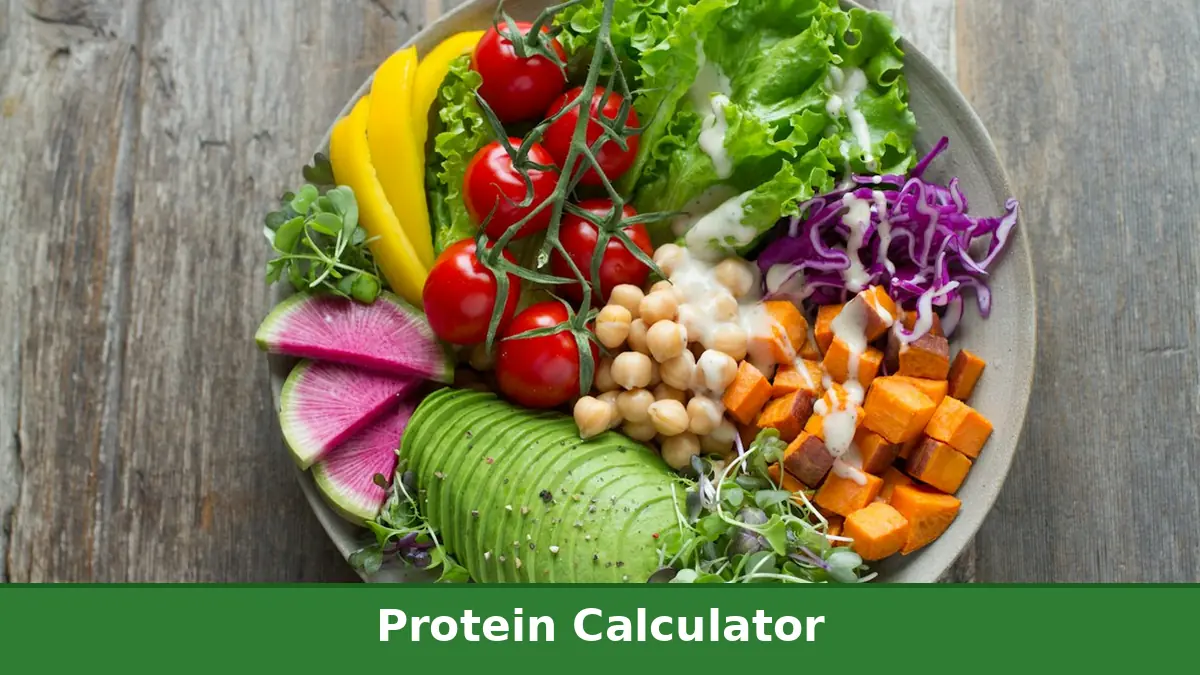
Why Protein Matters on a GLP-1 Medicine
Rapid weight loss sounds like the goal, but the body does not only burn fat when the scale drops. It also breaks down muscle for energy, especially when calories fall fast and protein stays low. Weight loss in general can take a meaningful share of lean tissue with it when protein is ignored. On a GLP-1 medicine the risk is higher, because appetite drops sharply and total food intake falls with it. Many people eat half of what they used to eat, and protein is often the first thing to shrink. Less food means less protein, and less protein means the body has fewer building blocks to protect muscle.
Protein helps in three ways. It supplies the amino acids muscles need for repair. It keeps you full, which matters when every bite has to count. And it costs more energy to digest than carbs or fat, so it supports your metabolism while you lose weight. None of that works without enough total grams. A small salad and a cup of tea may feel like enough when your appetite is gone, but your muscles still need their share.
Losing muscle has a cost that shows up later. Strength fades, everyday tasks feel harder, and your resting metabolism slows, which makes keeping the weight off tougher. That is why doctors and dietitians talk about muscle protection as much as fat loss during rapid weight loss. Strength training pairs with protein here. Even two short sessions a week signal your body to hold on to muscle while fat comes off. Protein alone helps, but protein plus movement protects far more. If you are new to lifting, start light and focus on steady progress, not heavy weights on day one.
How Much Protein Do You Need on GLP-1?
The short answer is more than the basic minimum. The recommended dietary allowance is 0.8 grams per kilogram of body weight per day, but that figure covers basic needs, not weight loss on an appetite-suppressing medicine. A practical starting range on GLP-1 treatment is 1.2 to 1.6 grams per kilogram per day. People in a large calorie deficit often need the top of that range, up to 1.8 grams per kilogram, because a deeper deficit puts muscle at greater risk.
Your weight sets the base number. The table below shows daily targets at common weights using the 1.2 to 1.6 starting range.
| Body weight | Daily target at 1.2 g/kg | Daily target at 1.6 g/kg |
|---|---|---|
| 60 kg (132 lb) | 72 g | 96 g |
| 70 kg (154 lb) | 84 g | 112 g |
| 80 kg (176 lb) | 96 g | 128 g |
| 90 kg (198 lb) | 108 g | 144 g |
| 100 kg (220 lb) | 120 g | 160 g |
Activity moves you inside the range. A sedentary person can start near the bottom, while someone who walks daily or lifts weights should aim higher. Your goal moves it too. The GLP-1 protein calculator above uses the lose-fat setting to push the top of the range to 1.8 grams per kilogram, which suits most people in an active deficit.
One warning matters here. If you have kidney disease or another health condition, ask your doctor before raising your protein intake. The numbers on this page are a strong starting point for healthy adults, not a prescription. Your doctor can adjust them for your health history.
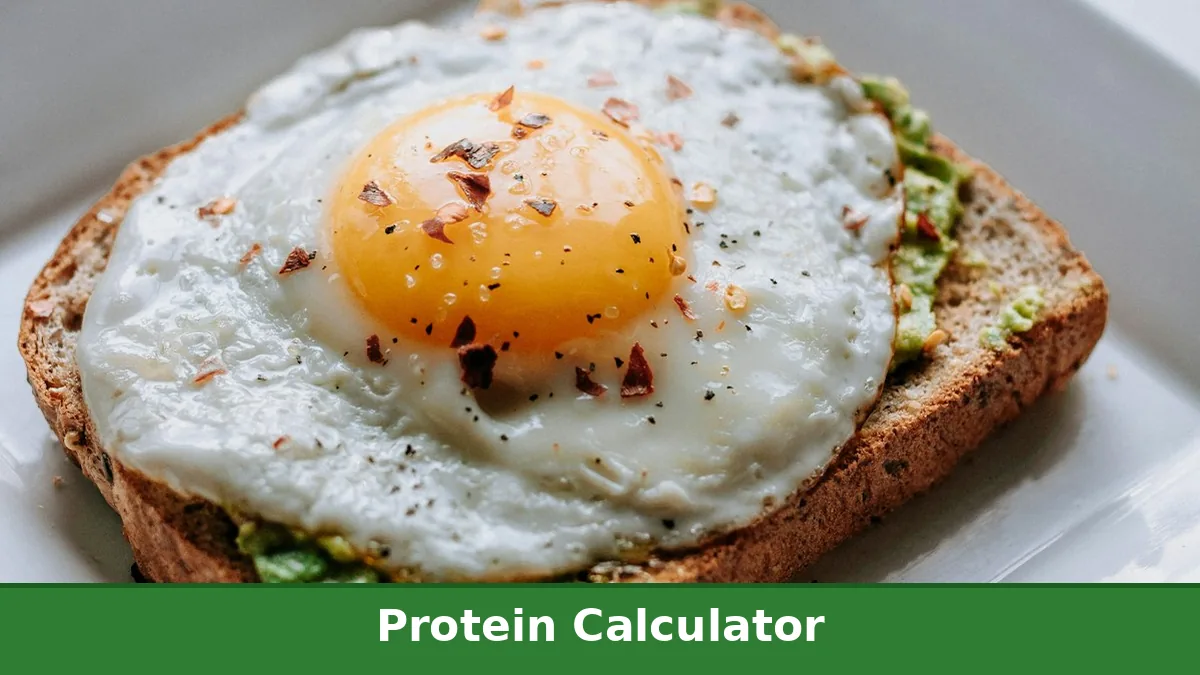
How This GLP-1 Protein Calculator Works
The math behind the tool is simple. It multiplies your weight in kilograms by a protein factor, then adjusts that factor for your activity level and your goal. The medicine you pick does not change the math. It only labels your result, so your saved plan shows which treatment it belongs to.
Activity sets the base factor. Sedentary days use 1.2 to 1.4 grams per kilogram. Light activity uses 1.3 to 1.5. Moderate activity uses 1.4 to 1.6. Very active days use 1.5 to 1.7. Your goal then shifts the range. Lose fat pushes the top to 1.8 grams per kilogram. Preserve muscle lifts both ends slightly. Maintain keeps the base range as it is.
An 80 kilogram person who is moderately active and losing fat would land near 120 to 145 grams per day. The same person at a desk job aiming to maintain weight would land near 96 to 112 grams. You can check the same math from a different angle with our main protein calculator, or set a daily number with the daily protein intake calculator if you want a plain maintenance target first.
Protein Per Meal: How to Split Your Daily Target
A daily number only works if you can eat it. Spreading protein across the day works better than loading it into one meal. Your body uses protein best in regular servings, so aim for 20 to 40 grams at each main meal, plus a smaller snack if your target is high.
Three meals of 30 grams each already reach 90 grams. Add a 15 gram snack and you pass 100 grams without a single large meal. That pattern suits GLP-1 treatment well, because big meals often feel uncomfortable when your appetite is low. Small, steady servings are easier to finish and easier on digestion.
If you skip breakfast, the rest of the day has to work harder. A protein-rich breakfast sets the tone and covers a third of your target before noon. Eggs, Greek yogurt, or a small shake all work. Pick the one you can eat without a fight, and repeat it most days.
A Sample High-Protein Day (About 115 g)
Here is what a day near 115 grams can look like. The numbers are approximate, and you can swap any item for a food you like better.
| Meal | Example | Protein (approx.) |
|---|---|---|
| Breakfast | Greek yogurt with oats and berries | 30 g |
| Lunch | Grilled chicken salad with quinoa | 35 g |
| Snack | Cottage cheese with fruit | 15 g |
| Dinner | Baked salmon with vegetables and rice | 35 g |
| Total | about 115 g |
Build your own version with the meal protein calculator. It adds up a full plate for you, so you can see the total before you eat. If a meal looks short, add an egg, a scoop of yogurt, or a small handful of nuts.
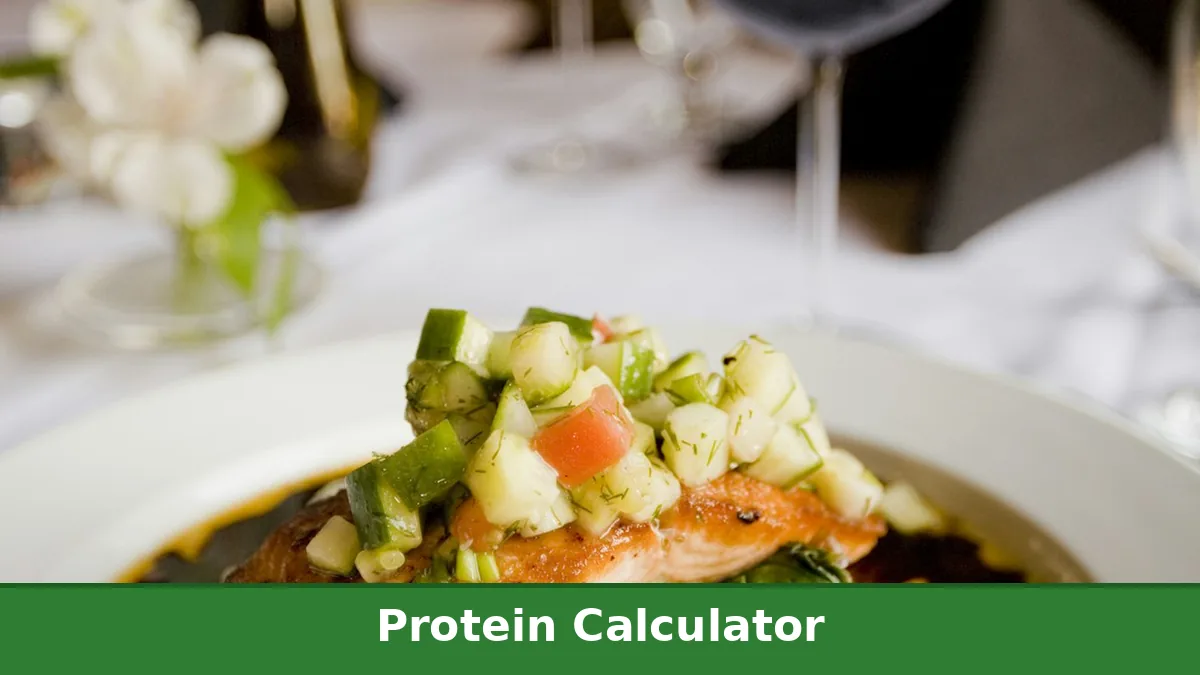
How to Track Your Protein Each Day
Tracking sounds like work, but it takes less than a minute per meal once you know your usual foods. Write down the protein grams for each meal in a notes app or on paper, then add them up at night. Most people find their numbers repeat, since they eat the same ten or so foods each week. Learn those ten numbers once and tracking gets easy.
The protein food calculator gives you the grams for any food and portion, so you can look up a new food in seconds. The meal protein calculator adds up a whole plate at once. Use the two together for a week and you will know your regular meals by heart. After that, a quick mental check is often enough.
Foods That Work Well When Your Appetite Is Low
When you can only eat a little, every bite should carry protein. Soft foods and liquids are often easier than a large plate of meat. These options pack a lot of protein into small servings.
- Greek yogurt, plain. About 17 grams per 170 gram serving, and easy to eat cold.
- Cottage cheese. About 12 grams per 100 grams, soft and quick to serve.
- Eggs. About 6 grams each, and they cook in minutes.
- Protein shakes. About 20 to 25 grams per scoop, useful when solid food feels like too much.
- Tuna or canned fish. About 26 grams per 100 grams, ready straight from the tin.
- Tofu and lentils. About 8 to 18 grams per serving, gentle on the stomach for many people.
- Chicken or turkey slices. About 30 grams per 100 grams, good in a small sandwich or salad.
Keep two or three of these ready at all times. When hunger shows up for a short window, you want protein within reach, not a cooking project. If you are unsure about a food, check its numbers with our protein food calculator before it lands on your plate.
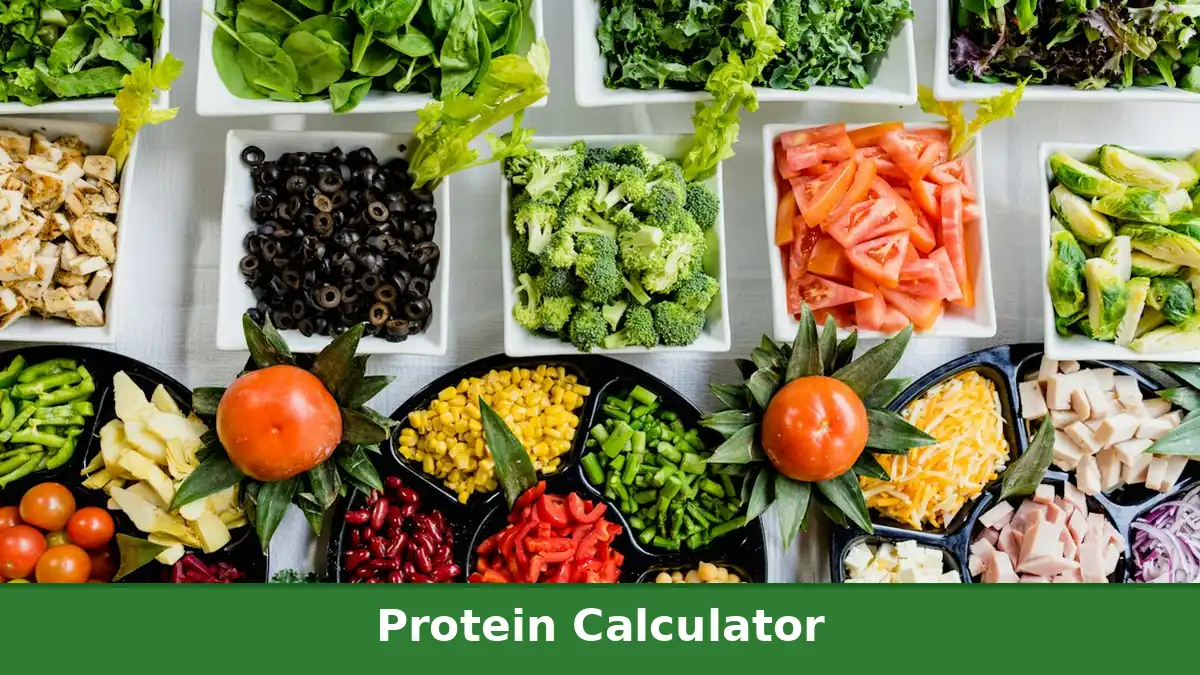
Nausea and Low Appetite: What Helps
Nausea is one of the most common side effects of GLP-1 medicines, and it makes eating enough protein harder. A few simple habits help most people get through it.
Eat slowly and stop when you feel full. Small meals every three to four hours often work better than three large ones. Put protein first on the plate, before bread or rice, so the most useful food gets eaten while your appetite lasts. Cold foods like yogurt and cottage cheese tend to sit better than hot, greasy meals. Some people find ginger tea or plain crackers help between meals.
Stay hydrated, but avoid large drinks with meals, since liquid can fill you up before you eat. If nausea is strong or you vomit often, tell your doctor. The same goes if you struggle to eat most days. Dose changes and timing tips exist, and your doctor can walk you through them. Do not try to push through severe nausea alone.
GLP-1 Medicines Covered by This Calculator
This GLP-1 protein calculator works the same for every GLP-1 medicine below. Your protein target follows your weight, activity, and goal, not the drug name. Pick your medicine in the tool so your saved result shows which treatment it belongs to. If you switch medicines later, rerun the tool with your new weight.
Zepbound (Tirzepatide)
Zepbound is the brand name for tirzepatide when prescribed for weight management. It is a prescription medicine given as a weekly injection. It acts on two gut hormone pathways, which is why people often feel full quickly and eat less. Protein needs on Zepbound follow the same 1.2 to 1.6 grams per kilogram starting range as any GLP-1 treatment.
Wegovy and Ozempic (Semaglutide)
Wegovy and Ozempic share the same active ingredient, semaglutide. Wegovy is prescribed for weight management, while Ozempic is prescribed for type 2 diabetes. Both are weekly injections and both are prescription only. The protein advice is the same for both, because the appetite change, not the brand name, drives your protein needs.
Mounjaro (Tirzepatide)
Mounjaro is the brand name for tirzepatide when prescribed for type 2 diabetes. It shares its active ingredient with Zepbound. It is also a weekly injection and prescription only. If you use Mounjaro, your protein target follows the same ranges on this page.
Common Mistakes on GLP-1
These mistakes quietly undo good progress.
- Skipping protein because you feel full. Fullness is not the same as meeting your needs.
- Living on shakes and skipping real meals. Shakes help, but real food keeps you satisfied longer.
- Skipping strength training. Protein protects muscle best when muscles are used.
- Eating too little overall. Very low calories can leave you tired and make muscle loss worse.
- Forgetting to recalculate. Your target drops as your weight drops, so rerun the calculator every few kilograms.
- Treating the result as medical advice. It is a strong estimate, but your doctor knows your health history.
Sources
Our formulas follow published sports nutrition guidance. The main sources are the International Society of Sports Nutrition position stand on protein and exercise (2017), the National Institutes of Health Office of Dietary Supplements protein fact sheet, and the USDA FoodData Central database for food protein values.
External links (open in new tab): International Society of Sports Nutrition position stand on protein and exercise, 2017, National Institutes of Health Office of Dietary Supplements protein fact sheet, USDA FoodData Central.
How much protein do I need on a GLP-1 medicine?
A good starting range is 1.2 to 1.6 grams per kilogram of body weight per day. An 80 kilogram person lands near 96 to 128 grams. People in a large calorie deficit often need the top of the range, up to 1.8 grams per kilogram. Run the calculator above with your weight and goal for a personal target.
Will I lose muscle on a GLP-1 medicine?
You may lose some muscle along with fat, especially if protein stays low and you do not train. Higher protein plus strength training twice a week protects lean tissue while fat comes off. That combination is the best defense we know, and it works even with a small appetite.
What if I cannot eat much on GLP-1?
Eat small, protein-first meals every few hours instead of three large ones. Soft foods like Greek yogurt, cottage cheese, and eggs are often easiest. Shakes can fill gaps on hard days. If you struggle to eat most days, or vomit often, talk to your doctor.
What are the best protein sources on a GLP-1 medicine?
Foods that pack protein into small servings work best: Greek yogurt, cottage cheese, eggs, tuna, chicken, tofu, and lentils. Shakes help on low-appetite days. Pick two or three you enjoy and keep them ready, so protein is always within reach.
Do I need protein shakes on GLP-1?
No, shakes are a tool, not a requirement. Real food can cover your target if your appetite allows it. Shakes earn their place on days when solid food feels like too much, or when a meal comes up short by 20 grams.
Can I use this calculator for Zepbound, Wegovy, Ozempic, and Mounjaro?
Yes. The calculator works the same for all four, because your protein target follows your weight, activity, and goal, not the drug name. Pick your medicine in the tool so your saved result is labeled correctly. If you switch medicines, rerun it with your new weight.
Should I eat more protein on days I feel sick?
Not more than usual, just more carefully. On sick days, aim to keep your normal target with small, gentle servings like yogurt, eggs, or a shake. If you cannot keep food down, focus on fluids and call your doctor rather than forcing meals.
How often should I recalculate my protein target?
Recalculate every 5 to 10 kilograms of weight loss, or about once a month. Your target follows your weight, so it drops as you get lighter. The protein calculator for weight loss can set a fresh number for your next phase when the deficit ends.
Final Thoughts
GLP-1 medicines make weight loss easier, but they do not choose what kind of weight you lose. Protein does much of that work, along with strength training and steady habits. Set your target with the GLP-1 protein calculator above, split it across small protein-first meals, and keep two short strength sessions in your week. Rerun your number every few kilograms, because your target falls as your weight falls. If nausea or low appetite makes eating hard, lean on soft foods and shakes for a few days, then return to real meals when you can. Your doctor can help if eating stays difficult. Start today, not next Monday, and let the first small win build the next one. The scale will keep moving either way, and with enough protein your muscle has a better chance of staying with you. What is one high-protein food you can keep ready for the days your appetite disappears?
Related Protein Calculators
If you take a specific medicine, use our Zepbound protein calculator or tirzepatide protein calculator for a tailored target, or set a general number with our protein calculator for weight loss.