
Tirzepatide Protein Calculator
Calculated for tirzepatide. Enter your details to get a daily protein target built for weight loss on this medicine.
Please enter a valid weight.
This is an estimate, not medical advice.
Your appetite has shrunk, your portions are half what they were, and the scale is moving fast. That sounds like success, and in many ways it is. But there is a quiet problem hiding behind fast weight loss. When you eat far less, your body can burn muscle along with fat. A tirzepatide protein intake calculator gives you a daily protein target built for this exact situation. It uses your weight, your activity level, and your goal to set a number that protects muscle while the weight comes off. This page explains what tirzepatide is, how much protein you need while you take it, and how to hit your number on days when food feels like the last thing you want.
Protein is the tool that makes the difference. It keeps you full, it costs more energy to digest than carbs or fat, and it gives your muscles the raw material they need to stay put. The hard part is that tirzepatide lowers your appetite, so hitting a target takes planning. Small portions, soft foods, and a little structure go a long way. The calculator above gives you the target. The rest of this page shows you how to reach it, one meal at a time.
What Is Tirzepatide?
Tirzepatide is the active ingredient in two prescription medicines, Zepbound and Mounjaro. Zepbound is prescribed for weight management. Mounjaro is prescribed for type 2 diabetes. Both contain the same active ingredient, and both work in a similar way. Our Zepbound protein calculator covers the same ground for the Zepbound brand name, and our GLP-1 protein calculator covers the full family of these medicines.
Tirzepatide acts on two gut hormone pathways, GIP and GLP-1. These pathways affect appetite and how full you feel after eating. In plain terms, it helps you feel full sooner and stay full longer, so you eat less without fighting hunger all day.
Because you eat less, your calorie intake drops, and that is how the weight comes off. But a smaller appetite also means fewer chances to get protein in. That is where most people on tirzepatide run into trouble. They hit their calorie goals easily and miss their protein goals by a wide margin.
Tirzepatide is a prescription medicine, not an over-the-counter supplement. Only a doctor can decide whether it fits you, and only your doctor can set your dose. This page covers one thing: how much protein you need while you take it.
Why Protein Matters on Tirzepatide
Rapid weight loss always carries the same risk. A share of the weight you lose comes from muscle, not fat. That share grows when protein is low and when you do no strength training. Muscle is not just about looks. It keeps your metabolism higher, it keeps you strong for daily tasks, and it shapes how you look at your goal weight.
Protein protects muscle in three ways. First, it supplies the amino acids your body uses to repair and keep muscle tissue. Second, it keeps you full, which matters when your total food intake is already small. Third, it costs more energy to digest than carbs or fat, so your body burns a few extra calories processing it.
On tirzepatide, protein earns its place for one more reason. Your appetite is lower, so every bite has to work harder. A meal with 10 grams of protein and a meal with 35 grams can look the same size on the plate. Only one of them moves you toward your target. People who plan protein first usually keep more muscle. People who leave it to chance often reach their goal weight weaker than they expected.
That is why a tirzepatide protein intake calculator uses higher factors than a general calculator. A general calculator might give you 0.8 grams per kilogram. That is the minimum to avoid deficiency. On tirzepatide, you need more, because you are losing weight fast and eating less.
How Much Protein Do You Need on Tirzepatide?
A good starting range is 1.2 to 1.6 grams of protein per kilogram of body weight per day. That range fits most people on tirzepatide. If your deficit is large or you train hard, you can go up to 1.8 grams per kilogram. Below 1.2, muscle protection gets thin. Above 1.8, most people gain little extra benefit for the extra effort.
| Your goal | Protein range (g/kg) |
|---|---|
| Maintain weight | 1.2 to 1.4 |
| Preserve muscle while losing | 1.3 to 1.6 |
| Lose fat in a larger deficit | 1.4 to 1.8 |
Your weight sets the total. An 80 kilogram person at 1.4 grams per kilogram needs about 112 grams per day. A 100 kilogram person at the same factor needs about 140 grams. That is why a tirzepatide protein intake calculator asks for your weight first. A fixed number like 100 grams means little on its own. What matters is the number matched to your body.
Activity moves you inside the range. A sedentary day points to the low end. A day with training points to the high end. The calculator above adjusts for activity, so the same person gets a slightly higher target on active days. If you have kidney disease or another health condition, ask your doctor before raising your protein. The ranges on this page fit healthy adults. They are not a prescription.
If you are not on tirzepatide, our main protein calculator uses the standard ranges for general goals, and our protein calculator for weight loss covers dieters who are not taking this medicine.
How the Tirzepatide Protein Intake Calculator Works
The calculator uses your weight, your activity level, and your goal. It multiplies your weight in kilograms by a protein factor, then gives you a daily range in grams. You can enter your weight in pounds. The tool converts it for you.
If you pick “preserve muscle”, the tool uses 1.3 to 1.6 grams per kilogram. “Lose fat” uses 1.4 to 1.8. “Maintain” uses 1.2 to 1.4. Activity adds a small lift, up to 0.15 grams per kilogram for very active days. The result shows your daily range and your per-meal split.
You can copy the result, save it as a text file, share it as a link, or print it as a PDF. The share link restores your numbers when you open it, so you can send it to yourself or check it again after you lose weight. Recalculate every 5 to 10 kilograms. Your target falls as your weight falls.
Protein Per Meal: How to Split Your Day
One big protein meal does not work as well as protein spread across the day. Most people do well with 20 to 40 grams of protein at each meal.
| Meals per day | Protein per meal (for a 120 g day) |
|---|---|
| 3 meals | about 40 g |
| 4 meals | about 30 g |
| 5 small meals | about 24 g |
Four meals is the easiest pattern for most people on tirzepatide. Three large meals can feel like too much food at once. Five small meals work well if your appetite is very low and you prefer grazing. Pick the pattern that fits your appetite, then keep the per-meal number steady.
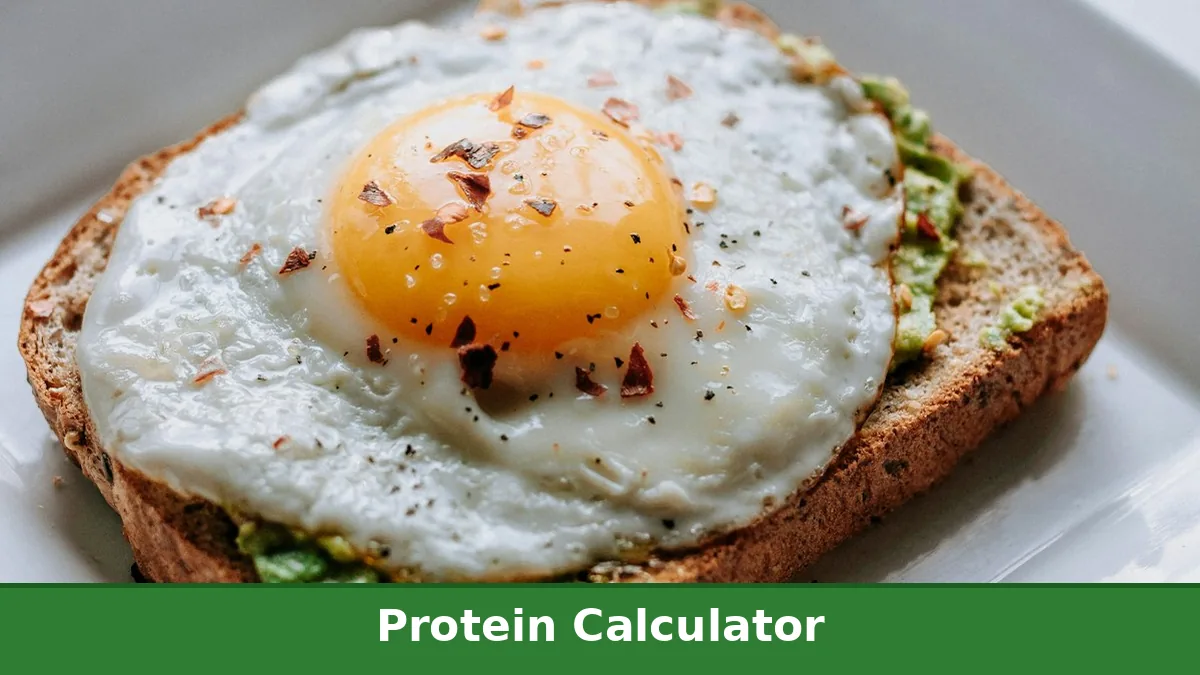
Breakfast deserves special attention. Many people on tirzepatide skip it or eat almost nothing. That leaves lunch and dinner to carry the whole day, and they rarely can. Even 20 grams at breakfast, from eggs or Greek yogurt, changes the math for the rest of the day.
A Sample High-Protein Day on Tirzepatide
Here is what a day near 120 grams can look like. The numbers are approximate, and brands and portions vary a little.
| Meal | Example | Protein (approx.) |
|---|---|---|
| Breakfast | Greek yogurt with oats and berries | 20 g |
| Lunch | Grilled chicken salad, 150 g chicken | 45 g |
| Snack | Protein shake, 1 scoop | 24 g |
| Dinner | Baked salmon with vegetables | 25 g |
| Evening | Glass of milk, 1 cup | 8 g |
| Total | about 120 g |
If 120 grams feels like too much, start at 100 and build up over two weeks. If the tirzepatide protein intake calculator gave you a higher target, add a second snack or a larger portion at lunch. The meal protein calculator adds up any combination for you, so you can test your own day before you live it.
Best Protein Foods When Your Appetite Is Low
When appetite is low, the best protein foods are the ones you can actually finish. Soft, moist, and liquid options go down easier and still carry real grams.
- Eggs. Soft, quick, and about 6 grams each. Scrambled eggs suit low-appetite mornings.
- Greek yogurt. About 17 grams per 170 gram serving, no cooking, easy to eat in small amounts.
- Cottage cheese. About 12 grams per 100 grams, soft and mild, good as a snack.
- Protein shakes. About 24 grams per scoop, useful when chewing feels like too much.
- Chicken and turkey. Lean and dense, about 31 grams per 100 grams of cooked chicken breast. Shred it if a full portion feels heavy.
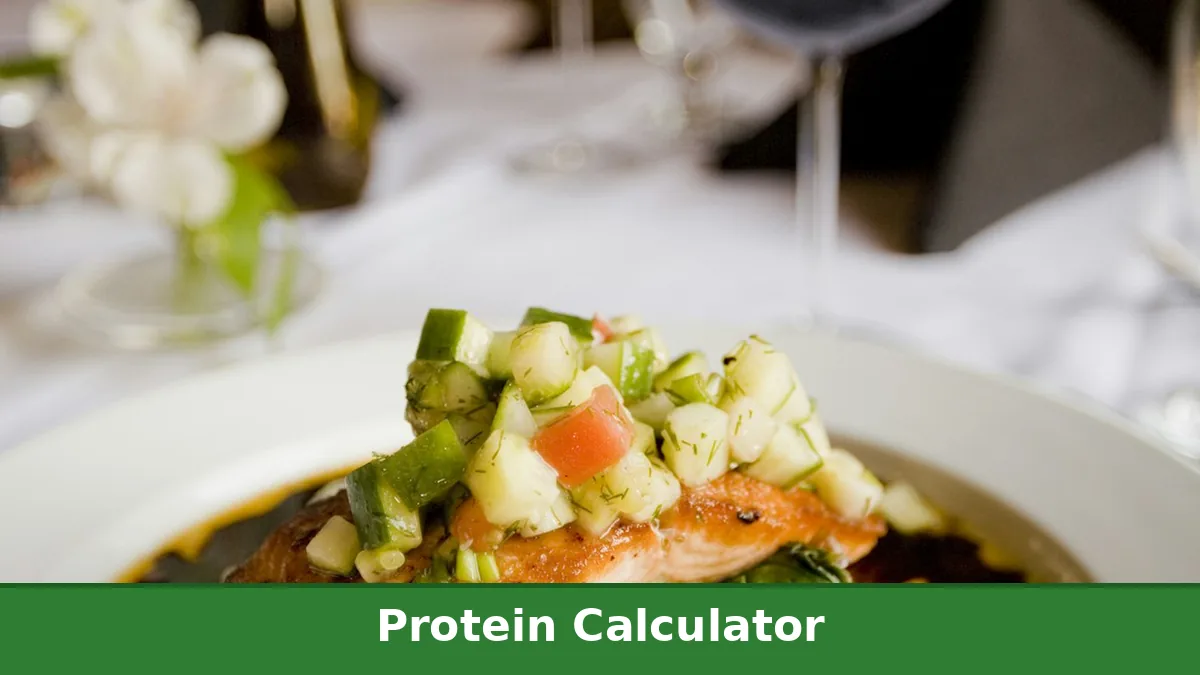
- Fish. Salmon and tuna are soft and easy to eat, with 25 to 26 grams per 100 grams.
- Tofu and lentils. Tofu gives about 8 grams per 100 grams, lentils about 18 grams per cup. Both work well in soups, which are easier to finish than dry plates.
- Milk. About 8 grams per cup, and an easy way to add protein without another meal.
Check any food and portion with our protein food calculator before it lands on your plate. It covers meats, fish, dairy, eggs, beans, and more.
Managing Nausea and Low Appetite Days
Nausea is one of the most commonly reported side effects of tirzepatide and similar medicines. It is usually worst in the early weeks and often eases with time. A few habits make bad days easier.
- Eat small amounts often instead of three big meals. Five tiny servings beat two skipped ones.
- Pick bland, soft foods. Plain chicken, eggs, yogurt, and soup sit easier than spicy or greasy food.
- Avoid fried and very fatty foods on queasy days. They slow digestion and can make nausea worse.
- Eat slowly and stop when you feel full. Pushing past fullness rarely ends well.
- Sip water through the day. Dehydration makes nausea feel worse.
- Keep a shake ready for days when solid food is too much. Liquid protein still counts.
Protein on a bad day still counts, even if it is only half the target your tirzepatide protein intake calculator gave you. Do not try to catch up in one huge meal the next day. Just return to your normal pattern. If nausea stays strong for weeks, or you cannot keep food down, talk to your doctor. That is a medical question, not a willpower problem.
Protein and Strength Training on Tirzepatide
Protein protects muscle best when muscles are used. Two or three short strength sessions per week make a real difference. You do not need a gym membership or heavy weights. Bodyweight moves, resistance bands, and light dumbbells all count.
Keep sessions short, around 20 to 30 minutes. Cover the big movements: squats, pushes, pulls, and hinges. Two sets of each is enough to start. The goal is to signal your body to keep muscle, not to set records.
Time your protein around training if you can. A meal with 25 to 35 grams of protein within a couple of hours after training supports recovery. A shake works well here, since appetite is often low right after exercise. On rest days, keep protein steady. Muscles repair on rest days too, and they need the raw material then as well.
If you have never lifted before, start light and build up over a few weeks. Sore muscles in the first week are normal. Sharp pain is not. Stop and ask a professional if something hurts in a way that feels wrong.

Common Mistakes to Avoid
These mistakes quietly undo good progress.
- Chasing calories instead of protein. On tirzepatide, calories take care of themselves. Protein needs your attention.
- Skipping breakfast every day, then trying to fit the whole target into dinner.
- Living on shakes and skipping real meals. Shakes help, but they do not replace food.
- Using a fixed gram target for months while your weight drops. Rerun the tirzepatide protein intake calculator every 5 to 10 kilograms.
- Skipping strength training. Protein protects muscle best when muscles are used.
- Treating the calculator result as medical advice. It is a strong estimate. Health conditions can change the picture, so check with a professional if yours are unusual.
Sources
Our ranges follow published sports nutrition guidance. The main sources are the International Society of Sports Nutrition position stand on protein and exercise (2017), the National Institutes of Health protein fact sheet, and the USDA FoodData Central database.
External links (open in new tab): International Society of Sports Nutrition position stand on protein and exercise, 2017, National Institutes of Health Office of Dietary Supplements protein fact sheet, USDA FoodData Central.
Frequently Asked Questions
How much protein do I need on tirzepatide?
A good starting range is 1.2 to 1.6 grams per kilogram of body weight per day, up to 1.8 in a larger deficit. An 80 kilogram person lands around 96 to 128 grams per day. Your exact number depends on your weight, activity, and goal. Run the tirzepatide protein intake calculator above for a personal target.
Is tirzepatide the same as Zepbound?
Yes. Tirzepatide is the active ingredient in Zepbound, which is prescribed for weight management. Mounjaro contains the same active ingredient but is prescribed for type 2 diabetes. The protein advice is the same for both, because the appetite and weight loss effects are similar.
Will I lose muscle on tirzepatide?
Some muscle loss is common with fast weight loss, and tirzepatide is no exception. Protein and strength training are the two best defenses. Aim for the top of your protein range and lift two or three times a week. Most people who do both keep far more muscle than people who rely on the medicine alone.
What if I cannot eat much on some days?
Do what you can and do not panic. Small frequent portions, soft foods, and a shake can still add up to a useful total. Liquid protein counts the same as solid protein. If your intake stays very low for more than a few days, or you cannot keep food down, talk to your doctor.
What are the best protein sources on tirzepatide?
Soft and easy foods win: eggs, Greek yogurt, cottage cheese, chicken, fish, tofu, and protein shakes. These give the most grams for the least chewing and the least fullness. Check any food with our protein food calculator to see its grams per portion.
Do I need protein shakes on tirzepatide?
No, shakes are not required. They are a tool for low-appetite days, when solid food feels like too much. Real food should carry most of your target when you can manage it. One scoop gives about 24 grams, which makes shakes a useful backup, not a daily must.
How much protein should I eat at each meal?
Aim for 20 to 40 grams at each meal. Four meals of about 30 grams suit a 120 gram day. If you prefer three meals, aim for about 40 grams each. Small frequent meals work well on low-appetite days, with about 24 grams across five servings.
Should I change my protein target as I lose weight?
Yes. Your target falls as your weight falls, because it is based on kilograms. Recalculate every 5 to 10 kilograms so the number follows your smaller body. Use the calculator above with your new weight, or check our main protein calculator for a maintenance number once you reach your goal.
Final Thoughts
Protein is the quiet work behind tirzepatide weight loss. The medicine lowers your appetite and the scale moves. Protein decides how much of that loss is fat and how much is muscle. Set your target with the tirzepatide protein intake calculator, split it across your meals, and lift a little each week. The number is personal, so do not copy someone else’s target. Your weight, your activity, and your goal shape it, and the calculator does that math for you. Small habits, repeated daily, protect the muscle you already have while the weight comes off. Recalculate as you lose weight, keep your meals simple, and ask your doctor if anything feels off. If you want the wider picture, our GLP-1 protein calculator covers the whole family of these medicines, and our main protein calculator gives you a maintenance number for the day you reach your goal. What is one high-protein food you can eat even on a low-appetite day?
Related Protein Calculators
Build your meals with the Protein Food Calculator and the Meal Protein Calculator, or check your number with our main protein calculator.